

In the field of industrial water purification and pure water production, reverse osmosis equipment is the core separation device, achieving water purification through the principles of pressure-driven operation and semipermeable membrane separation.Many users often struggle with the selection between single-stage and two-stage reverse osmosis system. These two configurations differ significantly in system setup, product water quality, and applicable scenarios. Clarifying their core characteristics enables proper matching with specific water treatment requirements.
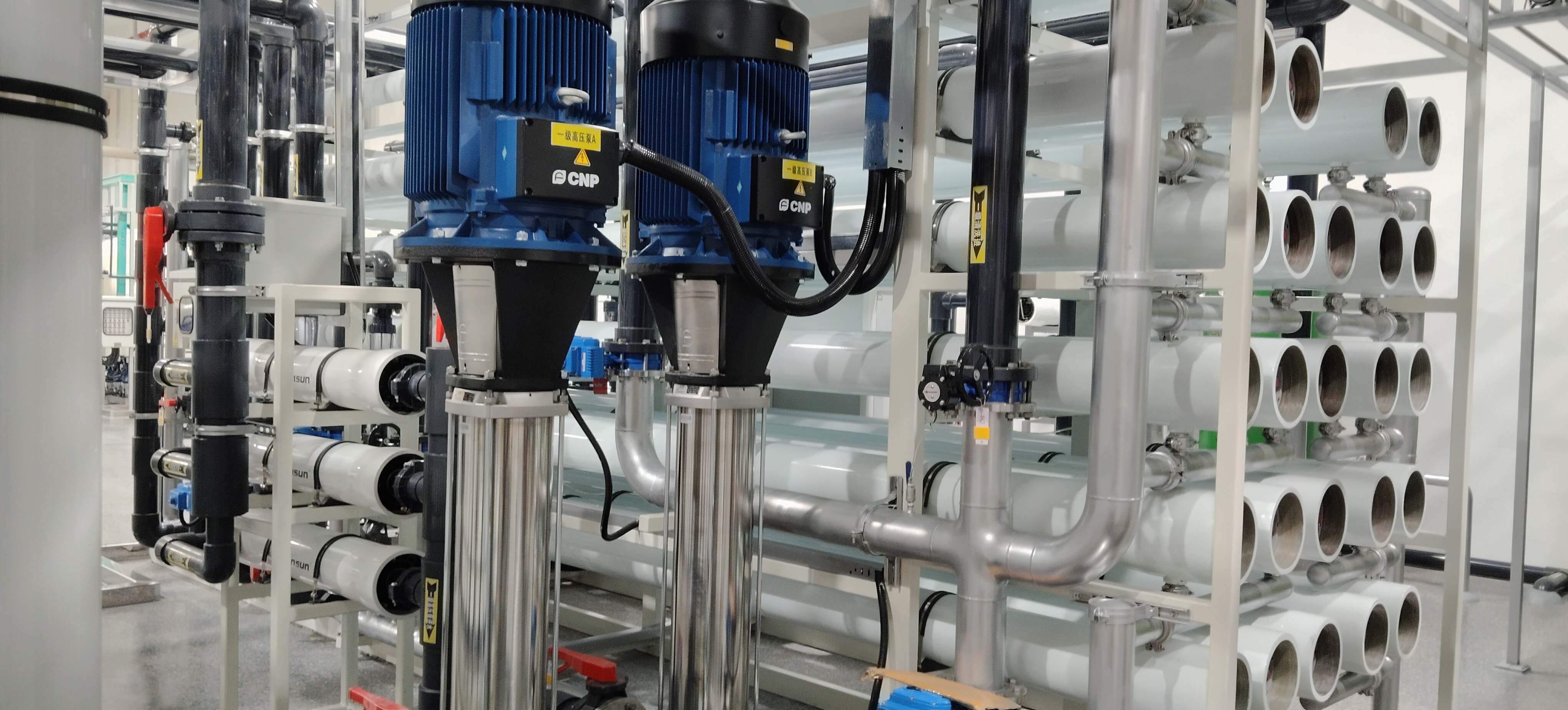
From the equipment configuration perspective, a single-stage reverse osmosis system is equipped with a single vertical booster pump. After pretreatment system, the raw water undergoes purification in a single pass through the RO membrane elements;A two-stage reverse osmosis system is equipped with two vertical booster pumps. This design essentially adds an additional membrane separation stage to the single-stage configuration, achieving a secondary purification process. Its structural design is specifically tailored for high-purity water applications.
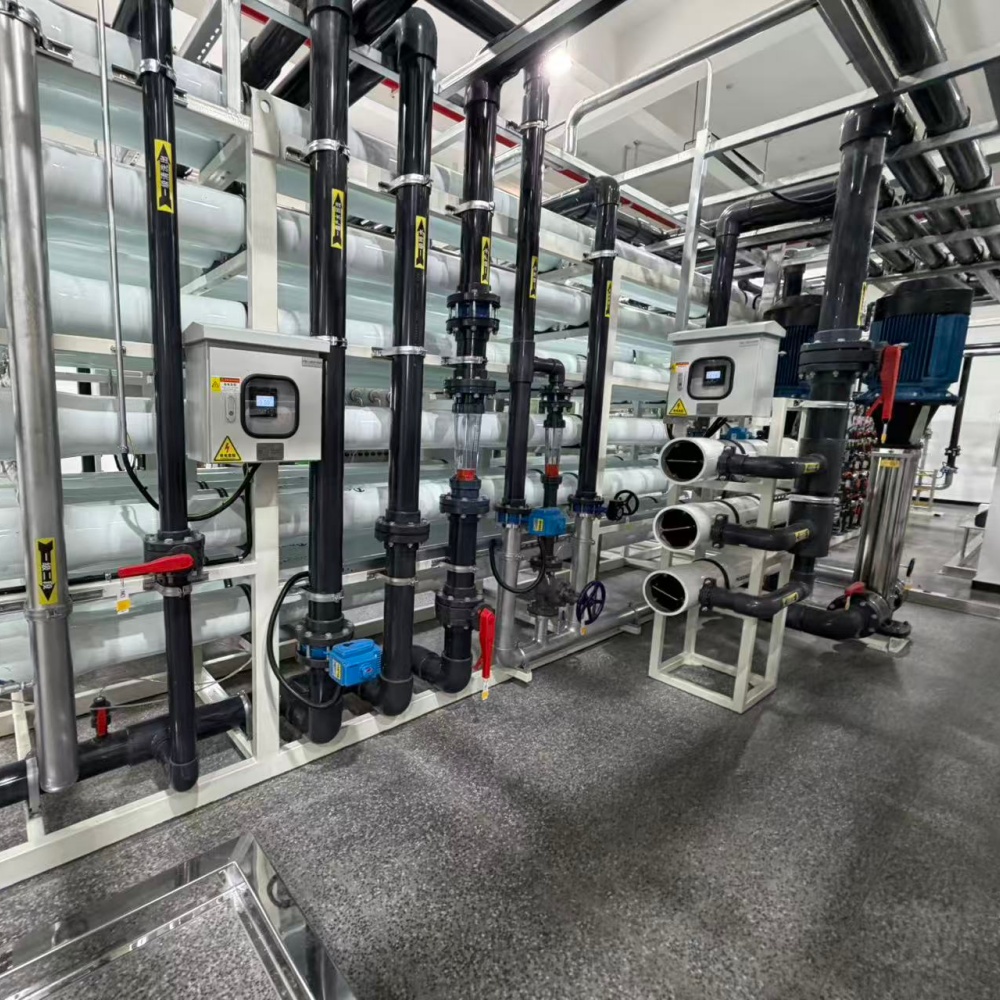
In terms of application scenarios, single-stage reverse osmosis equipment has a wide range of applications, covering fields such as textile printing and dyeing, chemical cooling, food processing, commercial water purification, building water supply, bottled water production, and painting/coating water use. It meets the requirements for conventional purification and pure water production.Two-stage reverse osmosis system adopts a two-stage series process, where the purified water produced by the first stage enters the second-stage RO membrane for further treatment. Through two separation stages, water purity is enhanced, and the process offers strong adaptability.

Product water quality is the core differentiating factor: the conductivity of single-stage reverse osmosis system effluent is typically controlled within 10–20 μS/cm, with stable desalination efficiency, meeting the standards of most conventional industrial water applications.
Through two-stage membrane separation, the two-stage reverse osmosis system can reduce the product water conductivity to approximately 5 μS/cm. It demonstrates excellent desalination performance, achieves higher water purity, and is well-suited for demanding water quality applications.
In terms of application scenarios, single-stage reverse osmosis equipment has a wide range of applications, covering fields such as textile printing and dyeing, chemical cooling, food processing, commercial water purification, building water supply, bottled water production, and painting/coating water use. It meets the requirements for conventional purification and pure water production.Two-stage reverse osmosis equipment is designed for high-standard water applications, such as boiler feed water, electronics-grade pure water, pharmaceutical process water, chemical material separation, seawater desalination, and petrochemical water treatment. It is well-suited for industries with stringent water quality requirements.
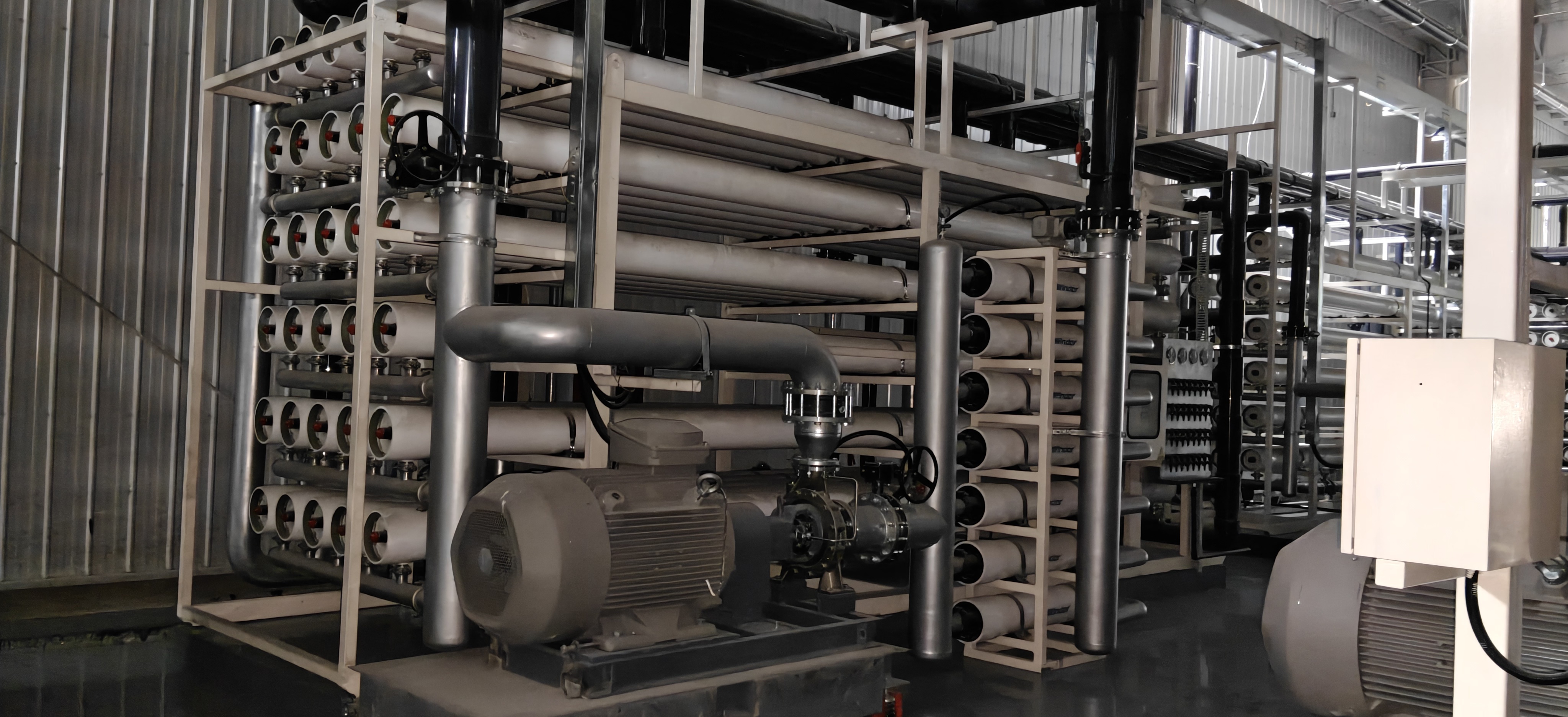
Both systems offer the advantages of continuous operation, no consumable regeneration, and environmentally friendly operation without secondary pollution. The two-stage reverse osmosis system demonstrates outstanding performance in water utilization efficiency and automated operation.The core of equipment selection comes down to two key factors: raw water quality conditions and the required product water standard. For conventional water quality and general-purpose water use, choose a single-stage RO system. For complex raw water quality or high-purity water requirements, opt for a two-stage RO system.
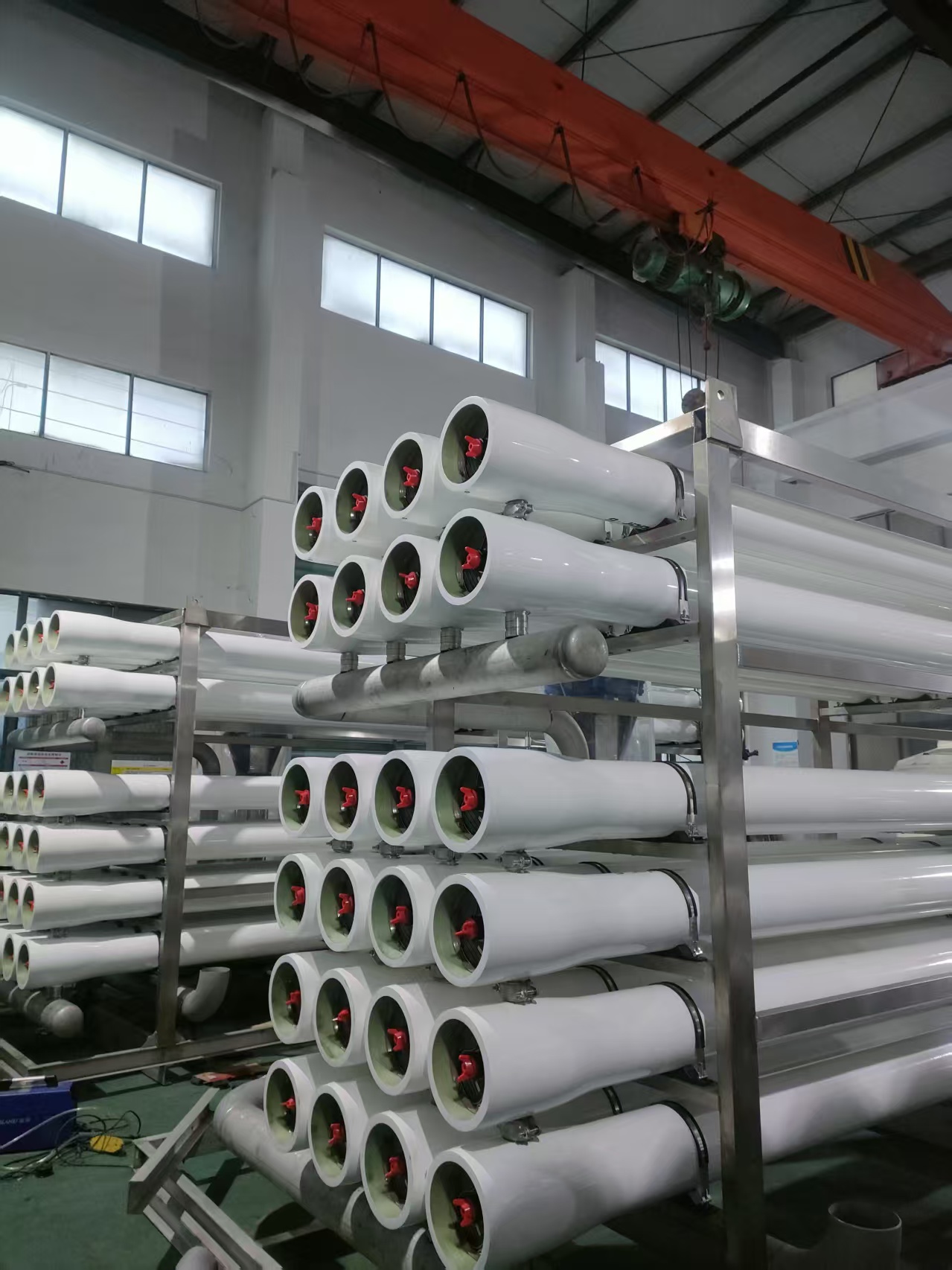
Proper selection of the reverse osmosis system type not only ensures that the product water meets the required quality standards, but also optimizes operation and maintenance costs while improving overall equipment performance.