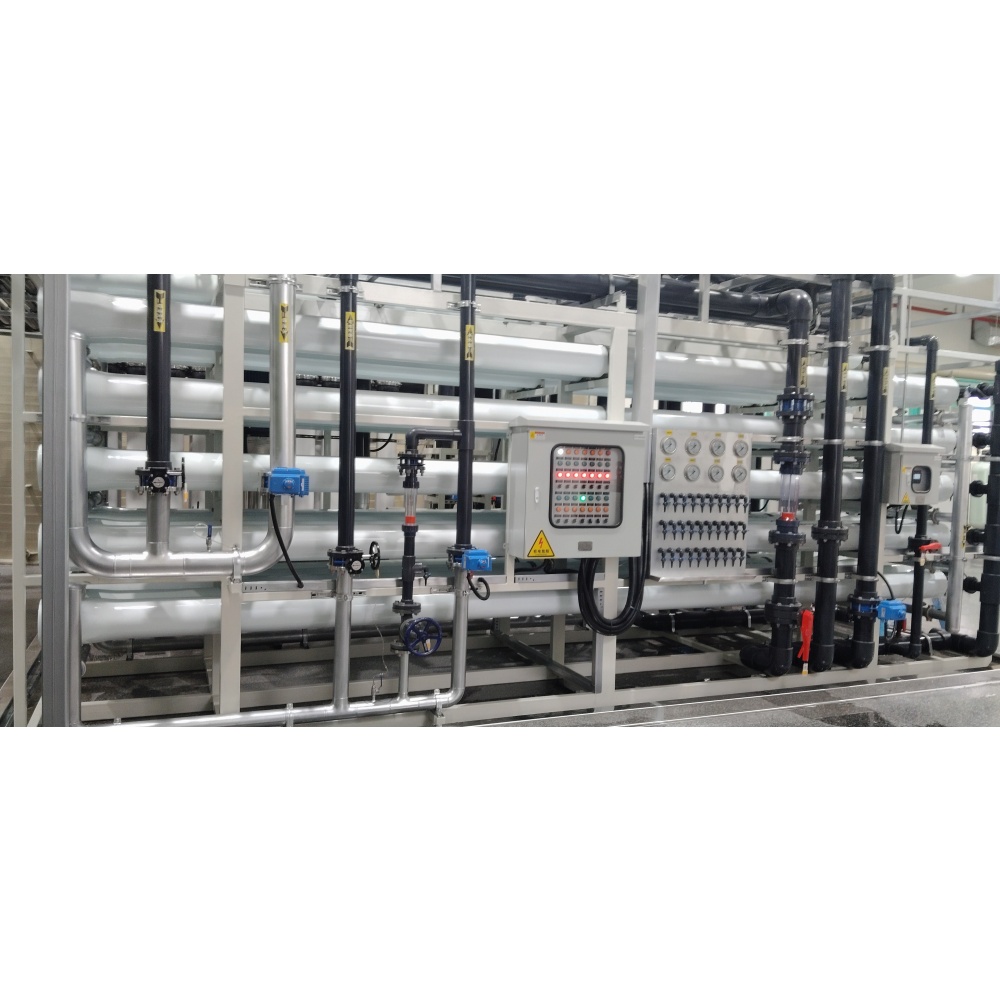
Reverse Osmosis System Technology: Principles and Advantages
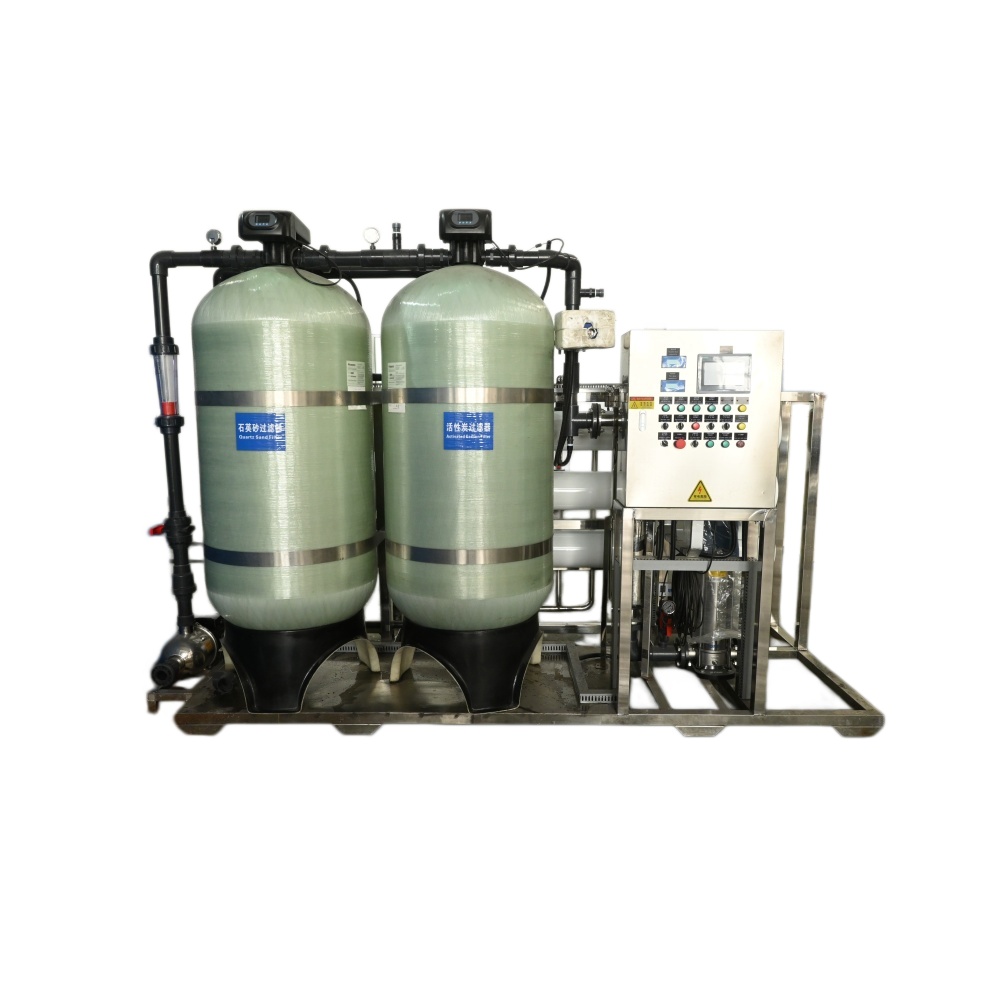
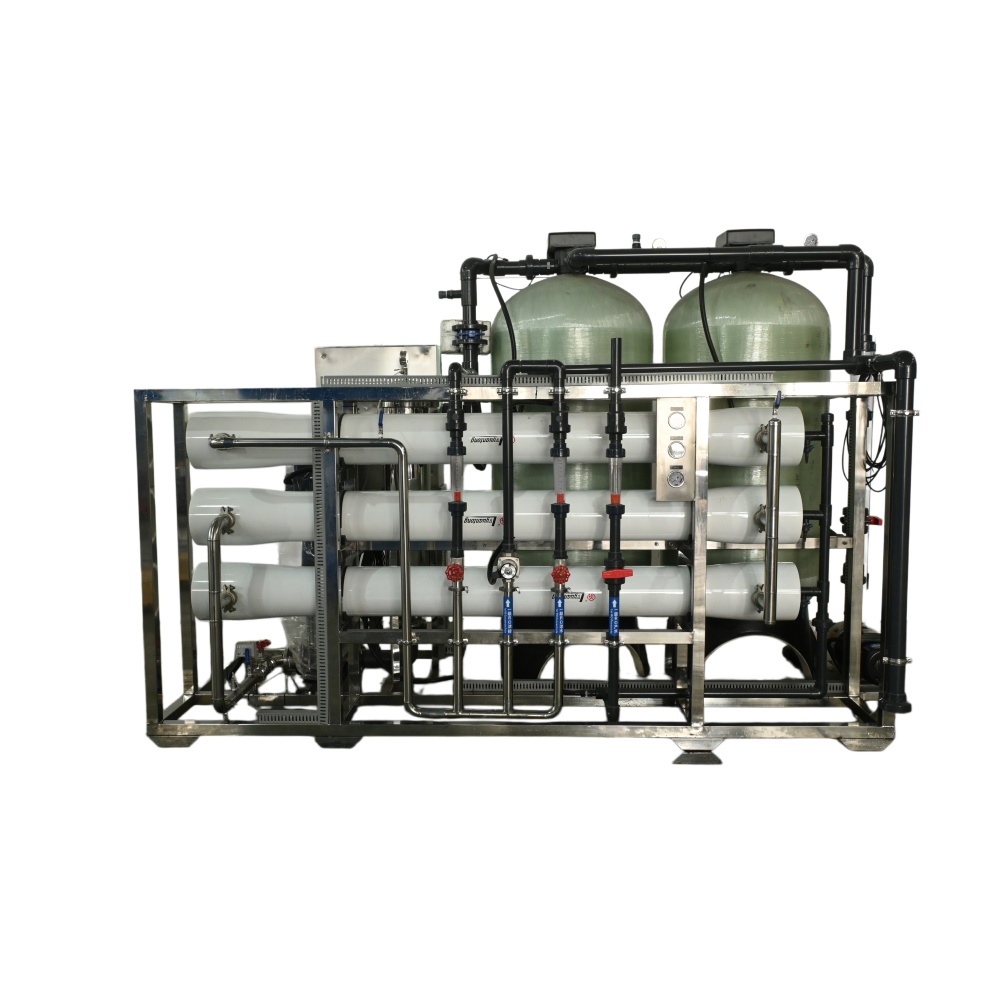
The reverse osmosis membrane is the core component that enables reverse osmosis technology. It is an artificial semipermeable membrane with specific characteristics, made from polymeric materials and manufactured by simulating biological semipermeable membranes.
Reverse osmosis system is a pressure-driven membrane separation process that separates the solvent from an aqueous solution, thereby removing impurities from water. It is called reverse osmosis because the direction of solvent flow is opposite to that of natural osmosis.
The technical principle is that under an applied pressure exceeding the osmotic pressure of the solution, pressure is exerted on one side of the membrane . When this applied pressure surpasses the osmotic pressure, the solvent flows in the reverse direction of natural osmosis, thereby separating the solutes from the water . The solvent collected on the low-pressure side of the membrane is known as permeate, while the concentrated solution retained on the high-pressure side is known as concentrate.
When seawater is treated by reverse osmosis technology, fresh water is obtained on the low-pressure side of the membrane, while brine is obtained on the high-pressure side. By applying a reverse osmosis pressure greater than the osmotic pressure, the purposes of separation, extraction, purification, and concentration can be achieved.
Reverse osmosis is a membrane separation water treatment technology that belongs to the physical method of cross-flow filtration. Its advantages are as follows:
- It operates under room temperature with water pressure as the driving force, resulting in low operating costs.
- No large amounts of waste acid or alkali are discharged, so it does not pollute the environment.
- The system is simple, easy to operate, and highly automated.
- It has a wide adaptability to raw water quality and produces stable effluent quality.
- The equipment occupies a small footprint and requires minimal maintenance.
Key Considerations for Reverse Osmosis System Application
In the application of reverse osmosis technology for water treatment, necessary filtration of the raw water must be performed. Filtration serves as the foundation for the effective performance of reverse osmosis technology; therefore, the filtration process must be strictly controlled to prevent impurities from being carried into the RO system along with the water. This is essential for protecting the RO membranes and equipment, increasing water production, and reducing the risk of corrosion.
Regular flushing of the reverse osmosis unit shall be carried out, particularly for scale removal, in order to maintain the good performance of the semipermeable membrane and extend the service life of the equipment.
When the reverse osmosis unit is not in operation, the accumulation of stagnant water can lead to microbial growth. Therefore, during the shutdown period, the unit must be flushed and disinfected, and proper temperature conditions shall be maintained to protect the reverse osmosis membranes.
Operating personnel shall strictly comply with the operating procedures and operation specifications, and continuously improve their professional competence. Before putting the equipment into use, a thorough inspection shall be carried out to avoid damage caused by operational errors, thereby ensuring the normal operation of the equipment and the smooth progress of water treatment work.