
Reverse osmosis systems have become the core solution for high-efficiency water treatment, primarily due to their technical logic of“graded interception + precision separation”: they efficiently remove the vast majority of impurities from water, while balancing energy consumption control and water quality stability, making them adaptable to a wide range of applications from municipal water purification and electronic-grade ultrapure water to seawater desalination.The key to its high efficiency is reflected in the following five dimensions:
ONE、Core Separation Techniques
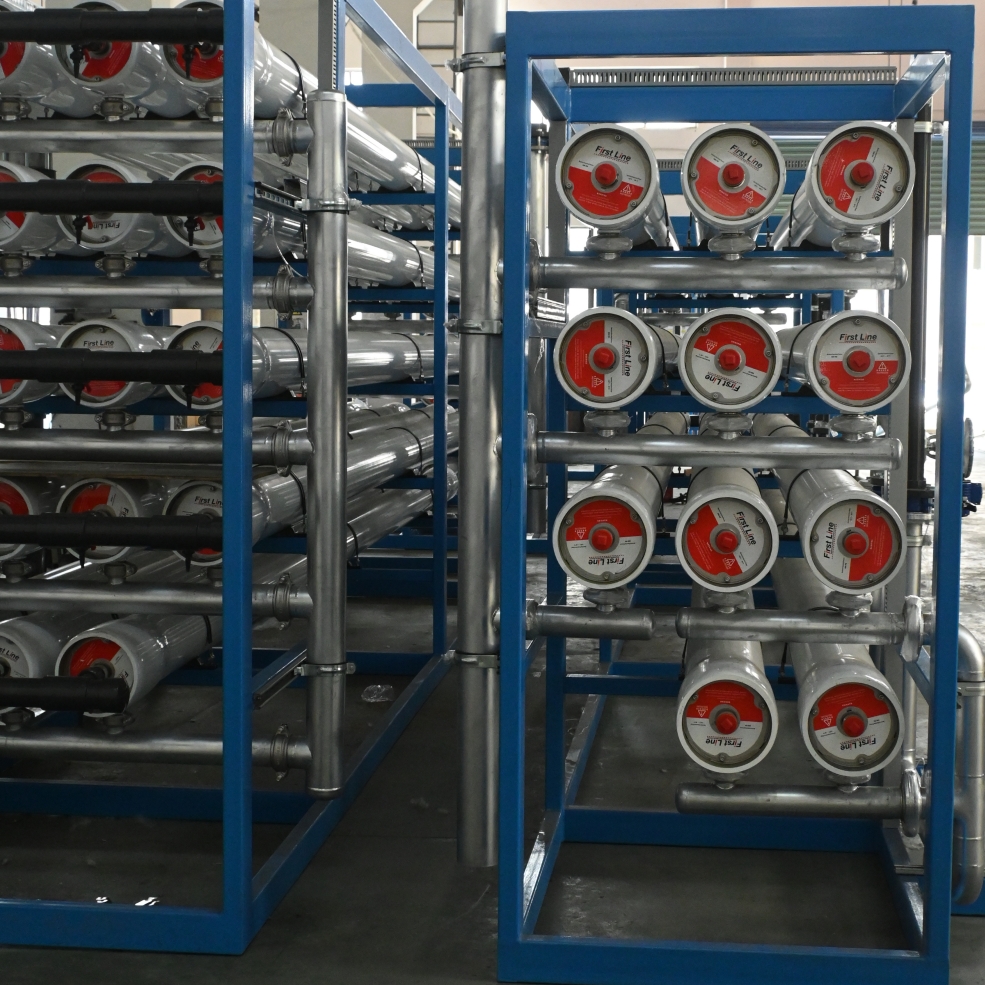
Nanoscale precision sieving achieves complete separation of “water and impurities”. The core of reverse osmosis equipment lies in the triple action of pressure-driven permeation, sieving effect, and charge repulsion of the RO membrane, which is the fundamental basis for its high-efficiency desalination and decontamination:
The electrostatic repulsion from the negatively charged membrane surface can intercept salt ions with diameters smaller than the membrane pore size, achieving a salt rejection rate of 95%–99.7% . This combined:“physical + electrochemical” separation mechanism far surpasses the precision of traditional filtration and ion exchange processes, delivering high-purity water in a single step .
TWO、Graded Pretreatment System
Building a Solid Foundation for Efficient Operation: The high efficiency of reverse osmosis equipment relies on the “protective escort” of the pretreatment system — through multi-stage interception, the raw water is conditioned to a quality suitable for Reverse Osmosis membrane operation, preventing membrane fouling and oxidation, and ensuring long-term stable and high-efficiency performance:
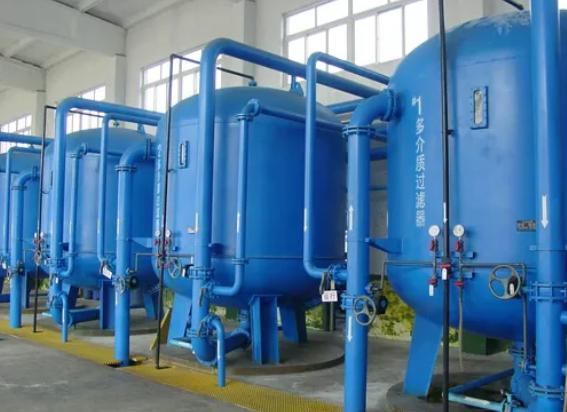
Coarse filtration: Screens and self-cleaning strainers intercept large impurities such as sediment, suspended solids, etc., preventing pipeline clogging.
Deep Purification: Multi-media filters reduce turbidity, and activated carbon filters remove residual chlorine and organic matter, controlling the feed water SDI to ≤3.
Precision Filtration: The 5μm cartridge filter (also known as security filter or safety filter) serves as the final physical barrier, intercepting fine particles to prevent scratching of the RO membrane.
Pretreatment System not only extends the cleaning interval and service life of the Reverse Osmosis membranes, but also keeps the membranes in optimal operating condition, thereby maintaining stable permeate production efficiency.
THREE、Energy Optimization Design
Reducing operating costs and improving overall efficiency: Modern reverse osmosis equipment solves the pain point of “high energy consumption under high-pressure operation” through two core design innovations, achieving high efficiency and energy savings:
Energy Recovery Device (ERD): It recovers the high-pressure potential energy from the concentrate stream and transfers it to the feed water, significantly reducing the energy consumption of the high-pressure pump. For example, in seawater desalination systems, the specific energy consumption (SEC) with an ERD can be reduced to 3-4 kWh/m³, which is only one-tenth of that required by traditional thermal distillation processes.
High-flux low-energy membrane elements: Novel Reverse Osmosis membranes, through hydrophilic modification, achieve high water flux at lower operating pressures, reducing energy consumption during operation, while also decreasing the number of membrane elements required and minimizing equipment footprint.
FOUR、Modular Configuration
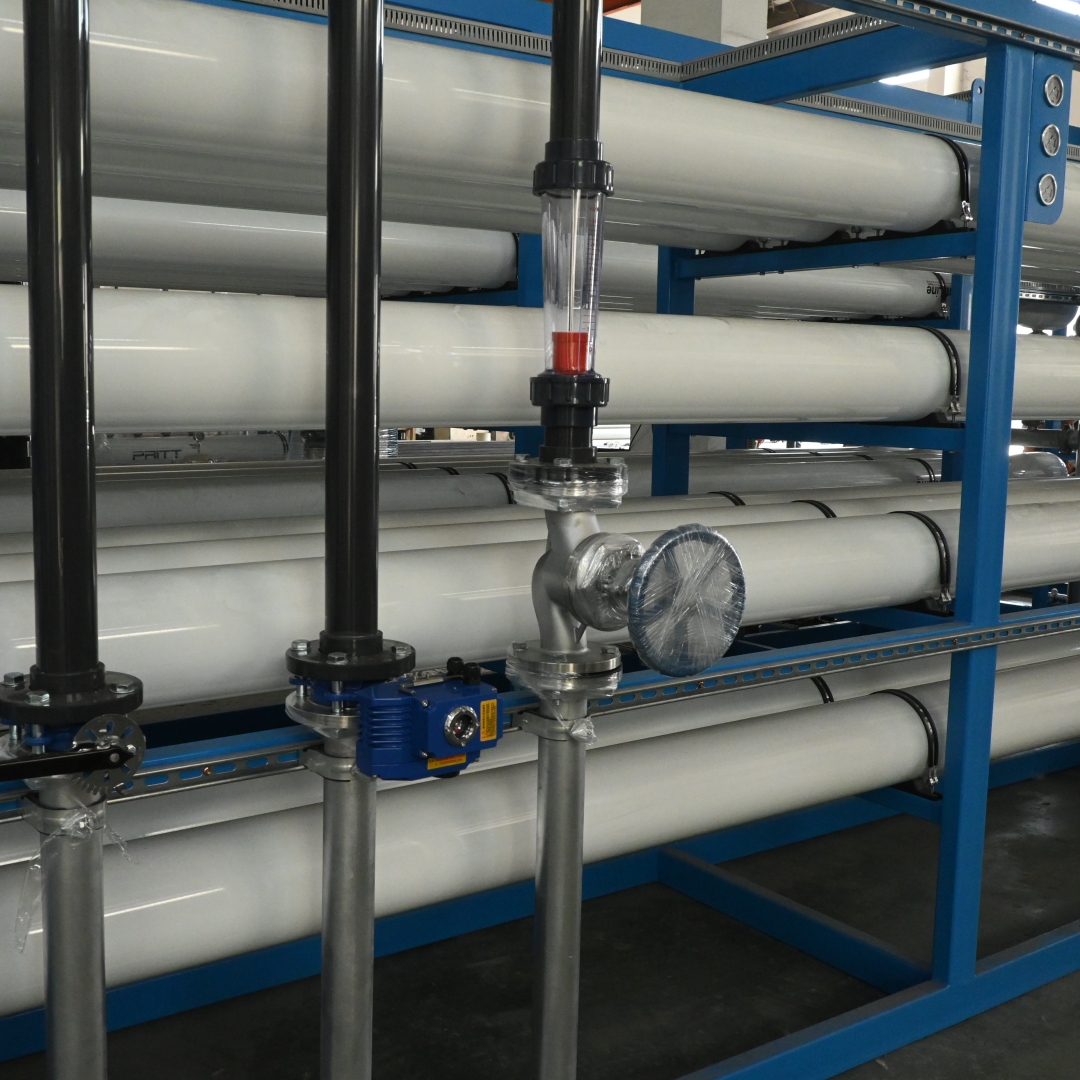
Flexibly Adapting to Diverse Needs and Enhancing Scenario Efficiency: Reverse osmosis equipment adopts a modular design, enabling flexible configuration according to water production capacity and quality requirements, offering exceptional adaptability:
Compact modular units can meet low-flow water demands for applications such as laboratories and islands, and are quick and easy to install.
Large modular systems can support the large-volume water supply for 10,000-ton-per-day seawater desalination plants and ultrapure water stations for electronics manufacturing.
This flexibility enables reverse osmosis equipment to precisely match the water demands of different scenarios, while avoiding resource waste and achieving an optimal balance between operating conditions and efficiency.
FIVE、Intelligent Control
Real-time regulation for efficient and stable operation: The intelligent system is the "brain" that drives high-efficiency RO equipment performance:
Through online monitoring of key parameters such as SDI, turbidity, conductivity, and differential pressure, the system enables real-time adjustment of chemical dosing rate, operating pressure, and recovery rate; once water quality exceeds the set limits, it automatically switches to bypass mode.
This dynamic operational control capability avoids the efficiency decline caused by manual operational errors, ensuring that the equipment maintains high-performance water treatment capacity throughout its entire lifecycle.
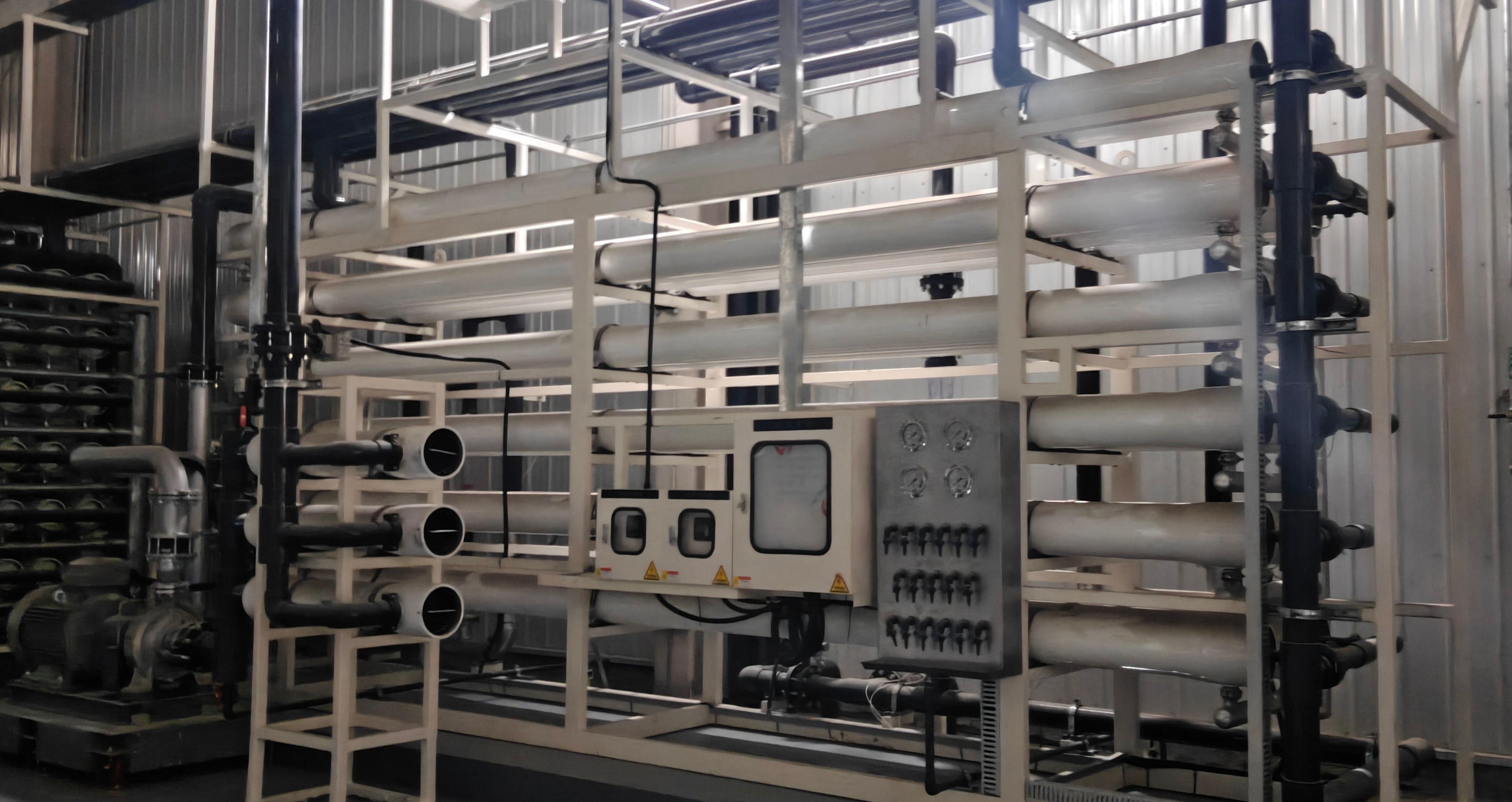
In summary, reverse osmosis equipment, leveraging precision separation technology, a comprehensive pretreatment system, energy-efficient design, modular configuration, and intelligent control, establishes the core advantages of “high-efficiency purification + low-energy operation + flexible adaptability,”thereby positioning it as a critical water treatment technology for municipal, industrial, and seawater desalination applications.